The 4 Key Themes of the EcoVadis Assessment and How They Contribute to Your Score
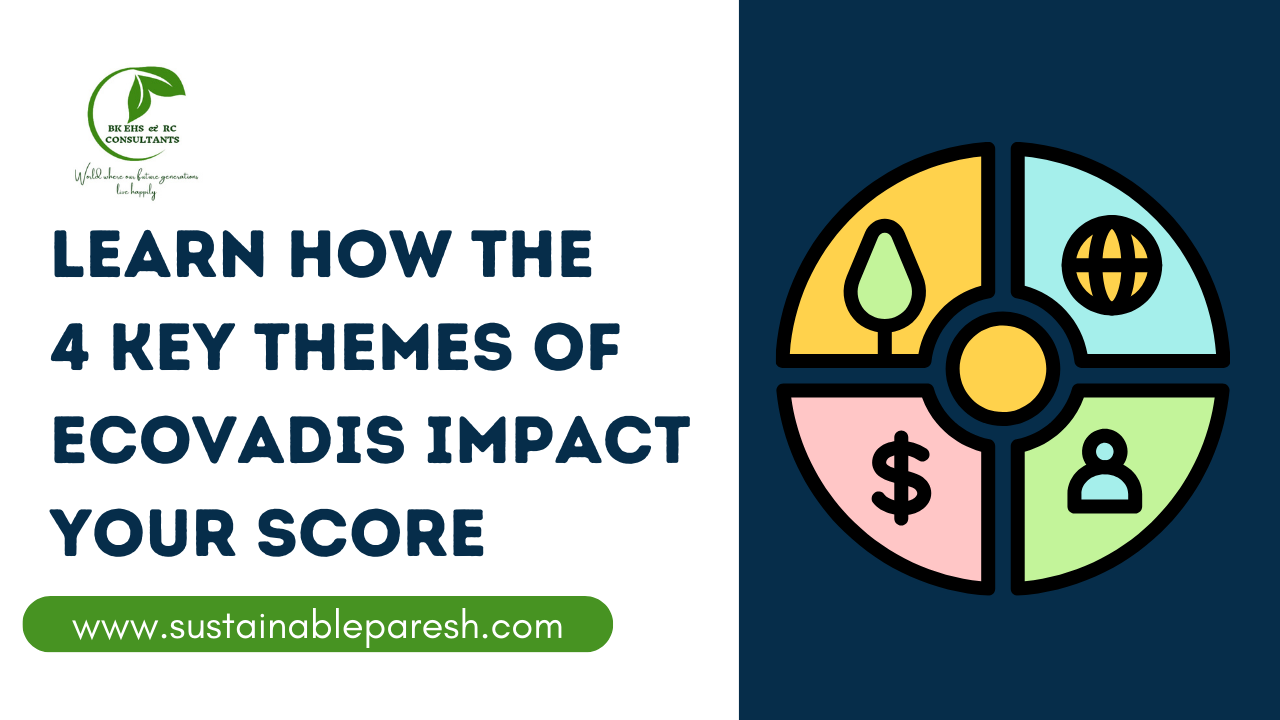
EcoVadis provides a comprehensive sustainability assessment for companies, focusing on four key themes: Environment, Labor & Human Rights, Ethics, and Sustainable Procurement. These themes evaluate a company’s sustainability practices and help businesses improve their environmental, social, and governance (ESG) performance. In this blog post, we will explore each of these themes and explain how they contribute to your EcoVadis score.
1. Environment
The Environment theme evaluates how a company manages its environmental impact, including energy use, waste management, emissions, and resource conservation. This theme is crucial as it measures a company’s commitment to minimizing its environmental footprint and complying with environmental regulations. How It Contributes to Your Score:- Energy Efficiency: Companies that implement energy-saving initiatives or use renewable energy sources score higher.
- Waste Management: Companies that reduce, recycle, or properly dispose of waste are favored.
- Carbon Footprint: A lower carbon footprint can significantly improve your score, especially if you have clear emissions reduction goals.
- Regulatory Compliance: Demonstrating adherence to environmental laws and regulations adds credibility to your practices.
2. Labor & Human Rights
This theme evaluates a company’s policies and practices related to labor rights, employee welfare, and human rights. It covers issues like fair wages, working conditions, diversity and inclusion, and respect for employees' rights. How It Contributes to Your Score:- Fair Labor Practices: Companies that ensure fair wages, safe working conditions, and non-discriminatory practices are rated positively.
- Health and Safety: A strong track record of employee health and safety initiatives contributes to a higher score.
- Human Rights: Companies that respect and protect human rights, both within their operations and across their supply chains, score better.
- Diversity and Inclusion: Promoting diversity in the workplace and fostering an inclusive culture enhances your score.
3. Ethics
The Ethics theme assesses a company’s governance, anti-corruption measures, and business ethics. It focuses on ensuring that a company operates transparently, ethically, and with integrity in all its business dealings. How It Contributes to Your Score:- Anti-Corruption Measures: Companies with strong anti-corruption policies, whistleblower protections, and transparency in financial reporting are rated highly.
- Corporate Governance: A well-structured governance framework with clear roles and accountability boosts your score.
- Business Integrity: Ethical business practices, including fair competition and responsible marketing, are essential for a good score.
- Compliance with Laws: Demonstrating adherence to local and international laws, especially regarding anti-bribery and corruption, is crucial.
4. Sustainable Procurement
This theme evaluates how companies ensure that their suppliers and business partners adhere to sustainability standards. It focuses on responsible sourcing, supplier evaluation, and managing environmental and social risks in the supply chain. How It Contributes to Your Score:- Supplier Engagement: Companies that actively engage suppliers in sustainability efforts and require them to meet specific environmental and social standards score higher.
- Sustainable Sourcing: Sourcing raw materials and products responsibly, with consideration for environmental and social impacts, enhances your score.
- Supply Chain Transparency: Companies that have a clear and transparent supply chain, with documented efforts to monitor and improve supplier sustainability, are rated favorably.
- Risk Management: Identifying and managing environmental, social, and governance risks in the supply chain is crucial for a strong score.